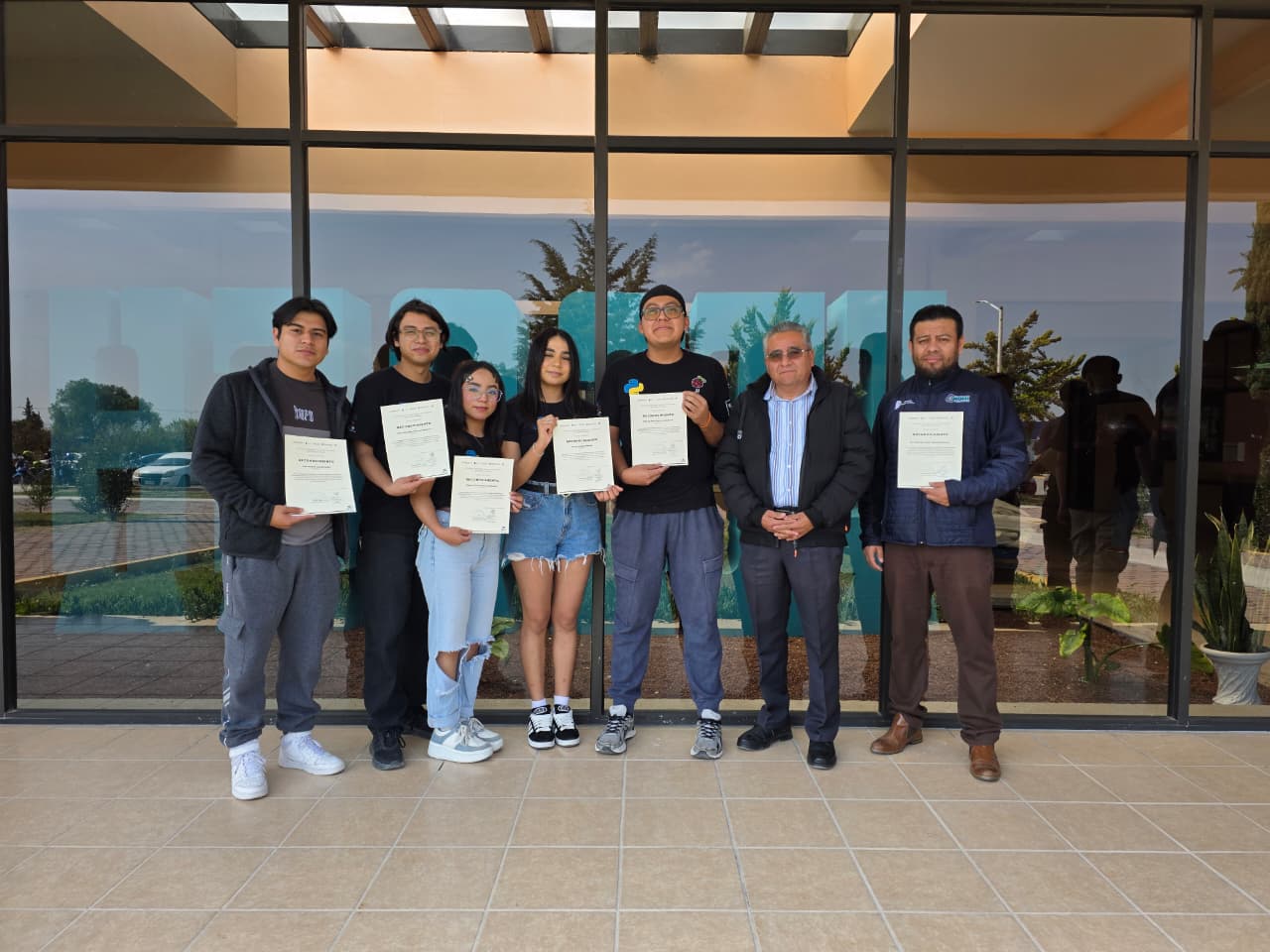
From Classroom Robotics to National Competition
Robotics changes completely when it becomes competitive.
This article documents participation in a national VEX Robotics competition, representing the university team and finishing 7th place nationwide in our first appearance at this level. My role within the team was primarily as a robotics developer, responsible for software behavior, system tuning, and technical validation.
This was not an academic exercise. It was engineering under constraints, deadlines, and real consequences.
Engineering Under Competitive Constraints
Unlike laboratory environments, robotics competitions impose strict limitations:
- Fixed hardware platforms
- Regulated motors, sensors, and controllers
- Time-restricted matches
- Unpredictable opponent strategies
Every design decision—mechanical or software—has immediate impact on performance.
The robot must work consistently, not just correctly.
My Role: Robotics Development and Systems Logic
Within the team, my focus was on:
- Control logic and driver interaction
- Behavior consistency across matches
- Debugging failures under time pressure
- Translating strategy into executable robot actions
In VEX, small implementation details—latency, dead zones, control smoothness—can determine match outcomes.
The challenge is not writing code, but making it reliable under stress.
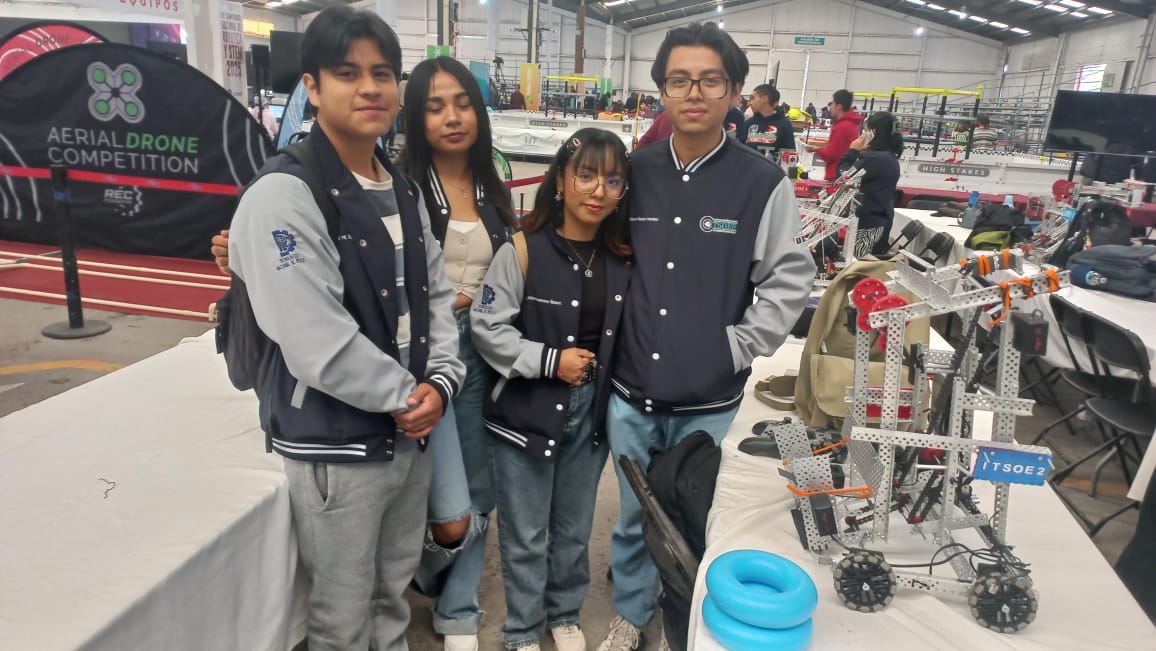
Software Is Only Half the System
One of the most important lessons reinforced during the competition is that robotics is inherently interdisciplinary.
Performance emerged from the interaction between:
- Mechanical design
- Electrical reliability
- Software behavior
- Team coordination
A strong algorithm cannot compensate for poor mechanical alignment. Likewise, excellent hardware fails without predictable control logic.
Competitive robotics forces engineers to think in systems, not components.
Teamwork Beyond the Robot
Success at this level depends heavily on non-technical factors:
- Clear communication
- Role discipline
- Rapid decision-making
- Emotional control after failures
Matches are short. There is no time to debate—only to execute, observe, adjust, and repeat.
This environment closely mirrors real-world engineering teams working under production pressure.
Achieving a Top-10 National Finish
Reaching 7th place nationally in our first participation validated both the technical preparation and the team's internal coordination.

More importantly, it demonstrated the ability to:
- Adapt quickly
- Learn from stronger teams
- Compete respectfully
- Maintain performance consistency
Ranking is not the goal—it is the consequence of disciplined engineering.
Why Competitive Robotics Matters
Competitions like VEX Robotics go far beyond student showcases.
They train engineers to:
- Build within constraints
- Accept failure as feedback
- Optimize instead of overdesign
- Collaborate under pressure
These are the same conditions found in industrial automation, embedded systems, and applied robotics.
The Real Lesson
The most valuable outcome was not the ranking.
It was understanding how engineering decisions behave when exposed to:
- Time pressure
- Human operators
- Physical systems
- Adversarial environments
Competitive robotics strips engineering down to its essentials.
If it works here, it will likely work anywhere.