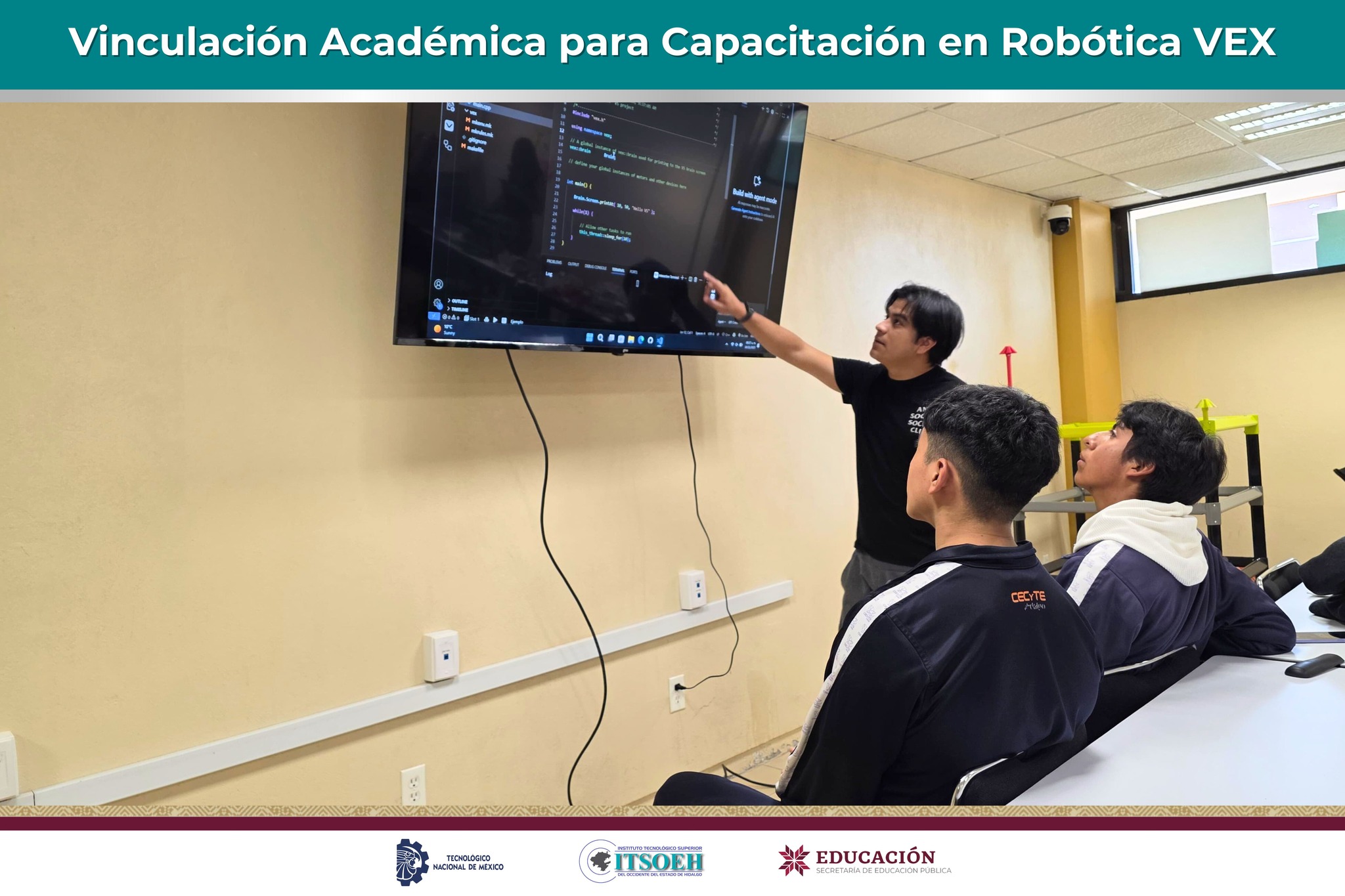
From Exposure to Execution
Introducing students to robotics is one thing. Training them to build and compete is something entirely different.
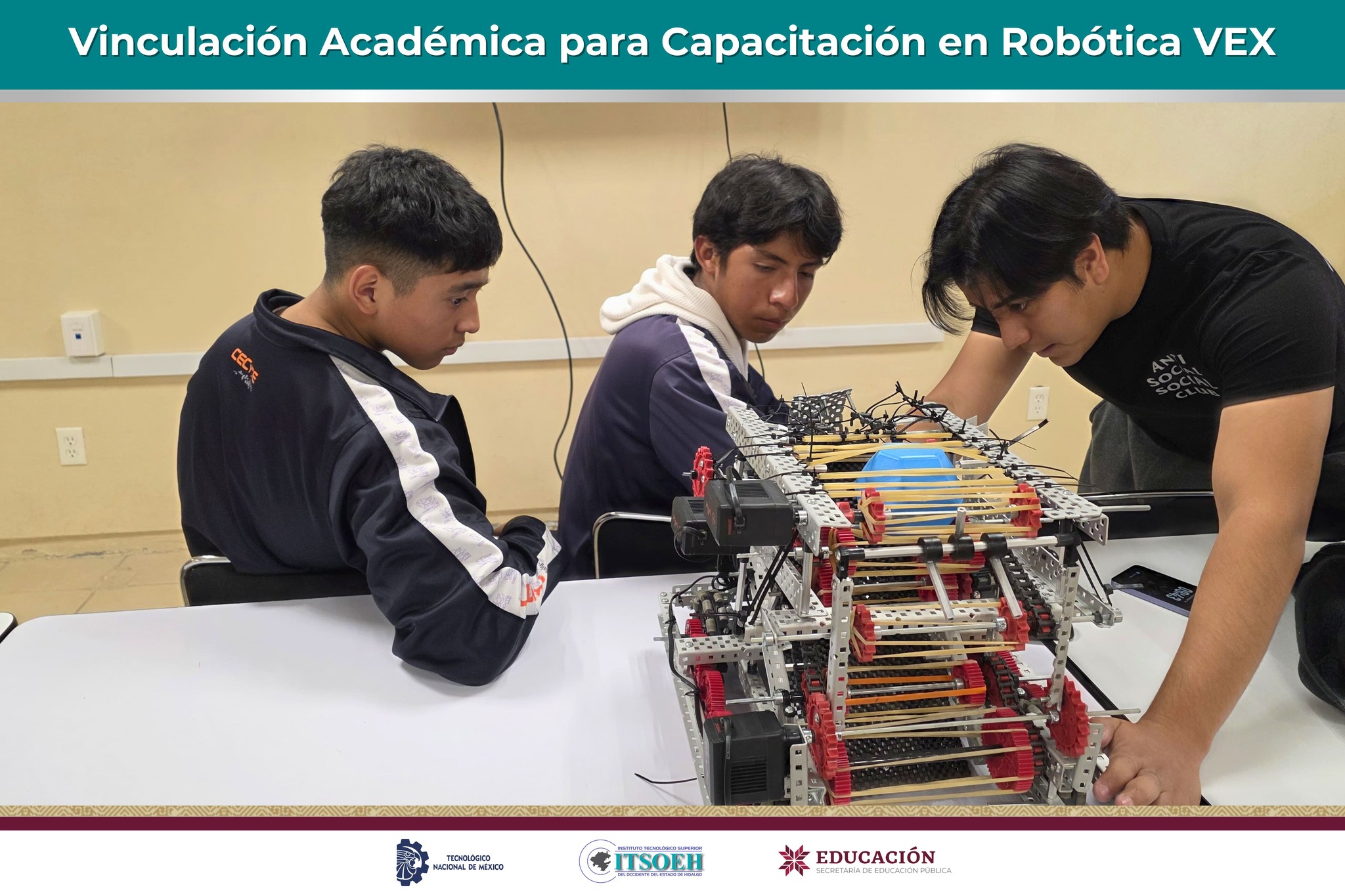
This session was designed as a hands-on technical workshop, where students moved beyond conceptual explanations and worked directly with robot hardware, embedded programming, and system integration, using VEX Robotics as the platform for competitive preparation.
The objective was clear: to show how hardware, software, and strategy converge in a real robotics competition.
Robotics as a Complete System
Competitive robotics cannot be taught in isolated pieces.
A robot that is mechanically sound but poorly programmed fails. A robot with good code but weak mechanical design also fails.
For this reason, the workshop was structured around systems thinking, emphasizing that a competitive robot is the result of:
- Mechanical design decisions
- Electrical and sensor integration
- Embedded software behavior
- Game constraints and match strategy
Students were exposed to all layers, not just one.
Hardware: Building for Competition
The first stage focused on robot assembly.
Rather than assembling a generic example, students worked on a robot that would later be used in an actual competition. This imposed real constraints:
- Structural rigidity
- Weight distribution
- Accessibility for maintenance
- Reliability under repeated use
Every mechanical choice was discussed in terms of trade-offs, not instructions.
Software: Programming the Robot in C++
Once the hardware was operational, attention shifted to embedded programming in C++.
Key concepts covered included:
- Motor control and abstraction
- Sensor feedback
- Control logic and sequencing
- Basic debugging strategies
The goal was not to memorize syntax, but to understand how software decisions affect physical behavior.
Seeing code translate directly into robot motion made the learning immediate and tangible.
Hardware–Software Integration
The most critical learning moment occurred when students began to integrate both layers.
Issues emerged naturally:
- Motors behaving unexpectedly
- Timing mismatches
- Mechanical limitations exposed by software commands
These moments were intentional. They demonstrated that robotics problems are rarely isolated—and that debugging often spans multiple domains at once.
Training for Competition, Not Demonstration
Unlike showcase workshops, this training was explicitly aligned with competitive robotics requirements:
- Robots must survive repeated matches
- Code must be reliable under pressure
- Teams must adapt quickly to failures
Students were encouraged to think not just as builders or programmers, but as engineering teams preparing for real competition scenarios.
What Students Actually Learned
Beyond technical skills, students gained:
- Confidence in working with real systems
- An understanding of engineering trade-offs
- Exposure to professional workflows
- Awareness of how preparation impacts performance
Most importantly, they experienced that engineering is iterative, not linear.
The Real Lesson
Teaching robotics effectively requires more than explaining how things work. It requires letting students build, break, fix, and rethink.
This workshop reinforced a core principle of applied engineering education:
Real learning happens when hardware and software are forced to coexist under constraints.
By working with VEX Robotics at a competitive level, students moved from curiosity to capability—one system at a time.