Not a Technical Workshop
Robotics education is often reduced to two things: how to assemble a robot and how to program it.
While both are important, they are not the first barrier students face when entering competitive robotics environments. In many cases, the real obstacles appear long before code is written or hardware is assembled.
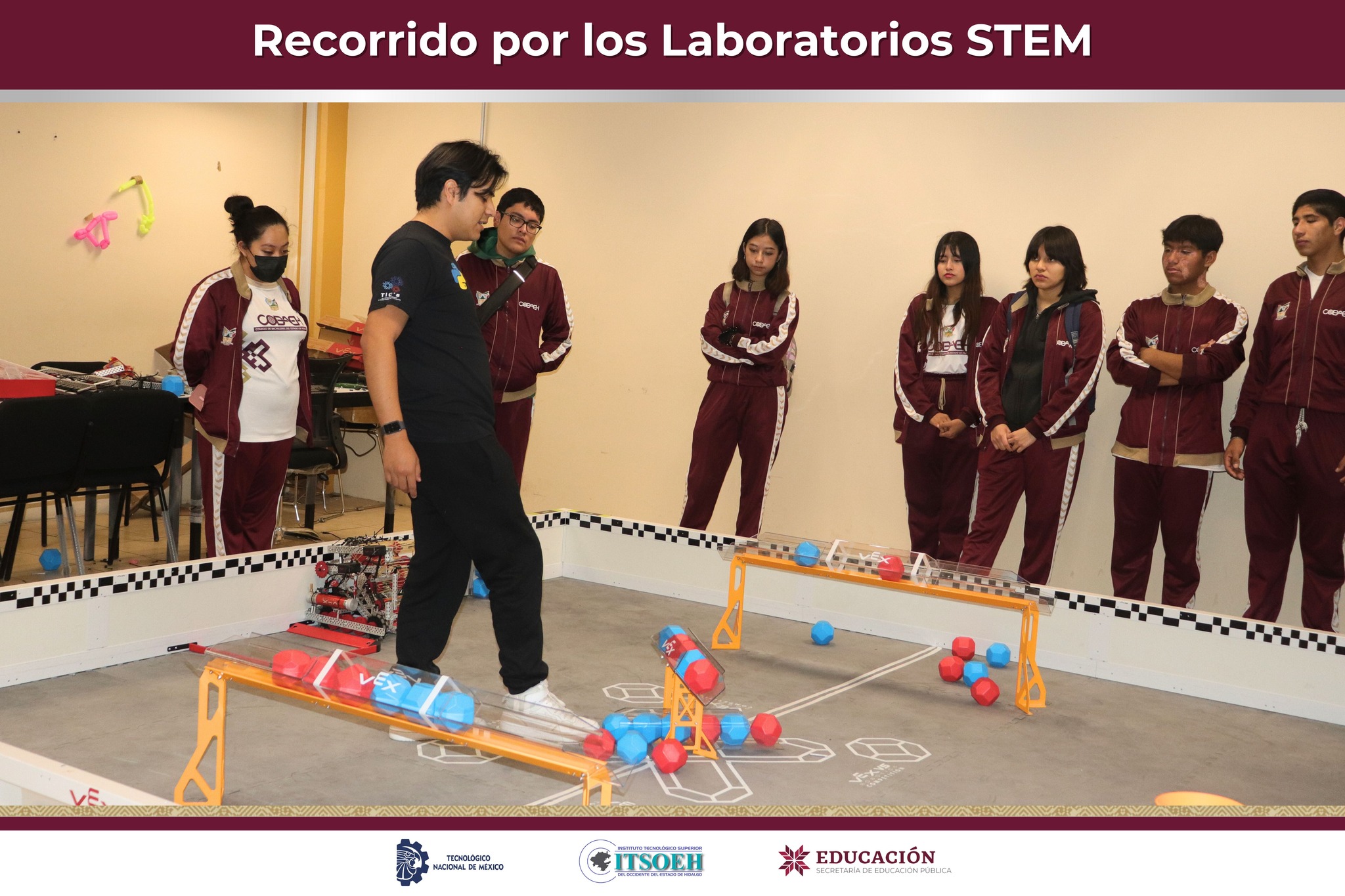
This session was intentionally designed not as a technical deep dive, but as an introduction to robotics through the lens of engineering culture and soft skills, using VEX Robotics as a concrete reference point.
Why Start with Context, Not Components
For students encountering robotics for the first time, jumping directly into mechanics or programming can be overwhelming. Before technical depth, students need to understand:
- What robotics competitions actually demand
- How teams function under pressure
- Why collaboration matters as much as technical skill
- What distinguishes a functional robot from a competitive one
The goal was to provide orientation, not instruction.
VEX Robotics as a Systems Example
Rather than explaining how robots are built, VEX Robotics was used as a systems-level example:
- Game rules define constraints
- Field layout shapes strategy
- Time limits enforce prioritization
- Team roles distribute responsibility
This framing allowed students to see robotics as an engineering system, not a collection of parts.
The Role of Soft Skills in Robotics Competitions
One of the central themes of the session was the importance of skills that are often overlooked:
- Communication under stress
- Decision-making with incomplete information
- Conflict resolution within teams
- Strategic thinking beyond individual tasks
In competitive robotics, technical excellence without coordination rarely succeeds. This reality is not obvious to newcomers—but it determines outcomes.
Learning Without Building
No robots were assembled. No code was written.
And that was intentional.
By removing technical execution from the session, attention shifted to:
- How teams prepare
- How strategies are discussed
- How failures are handled
- How roles are defined
Students were able to engage without fear of "not knowing enough," which significantly lowered the entry barrier.
STEM Labs as Exposure Environments
STEM laboratories are not only places for experimentation. They are exposure environments.
For many students, this was their first contact with:
- Robotics competitions
- Engineering workflows
- Collaborative technical spaces
The objective was not mastery, but familiarity—making future participation feel possible rather than intimidating.
The Real Lesson
Introducing robotics is not about teaching everything at once. It is about teaching what matters first.
This session reinforced a key educational insight:
Before students can build robots, they need to understand the environment they are building for.
When robotics is presented as a human, collaborative, and strategic activity, technical learning becomes a natural next step—not a barrier.